
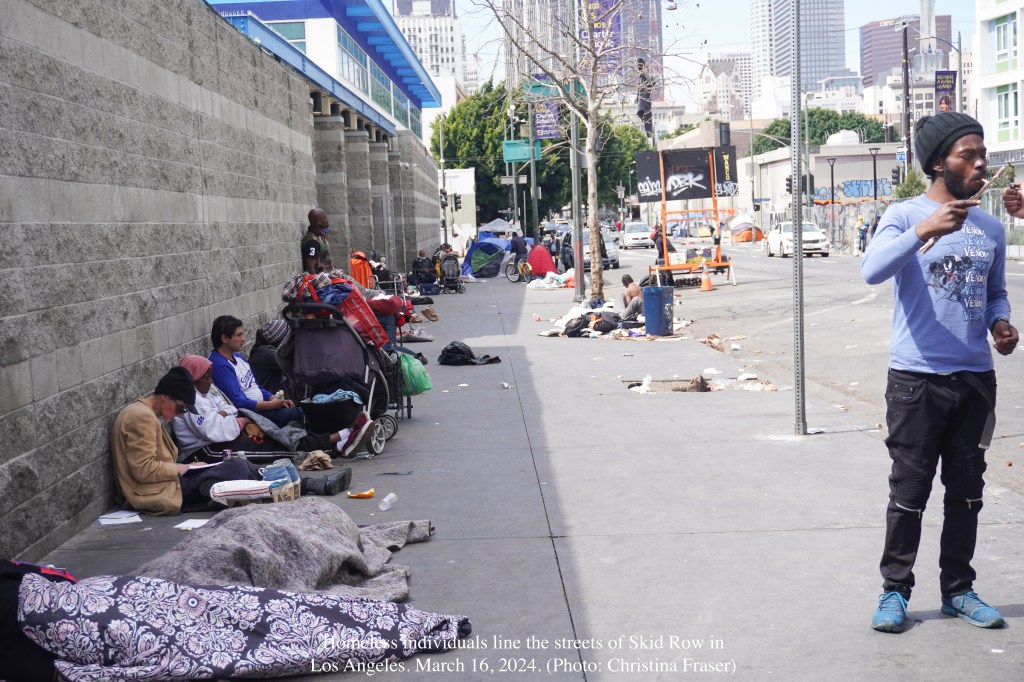
LOS ANGELES, March 17, 2024 – In the sprawling urban landscape of Los Angeles, a vibrant tapestry of humanity unfolds each day, revealing stories of struggle, resilience, and hope among the city’s homeless population along Skid Row. As communities grapple with the intertwined challenges of homelessness and substance abuse, a beacon of light shines through in the form of kindness, compassion, and sustained support.
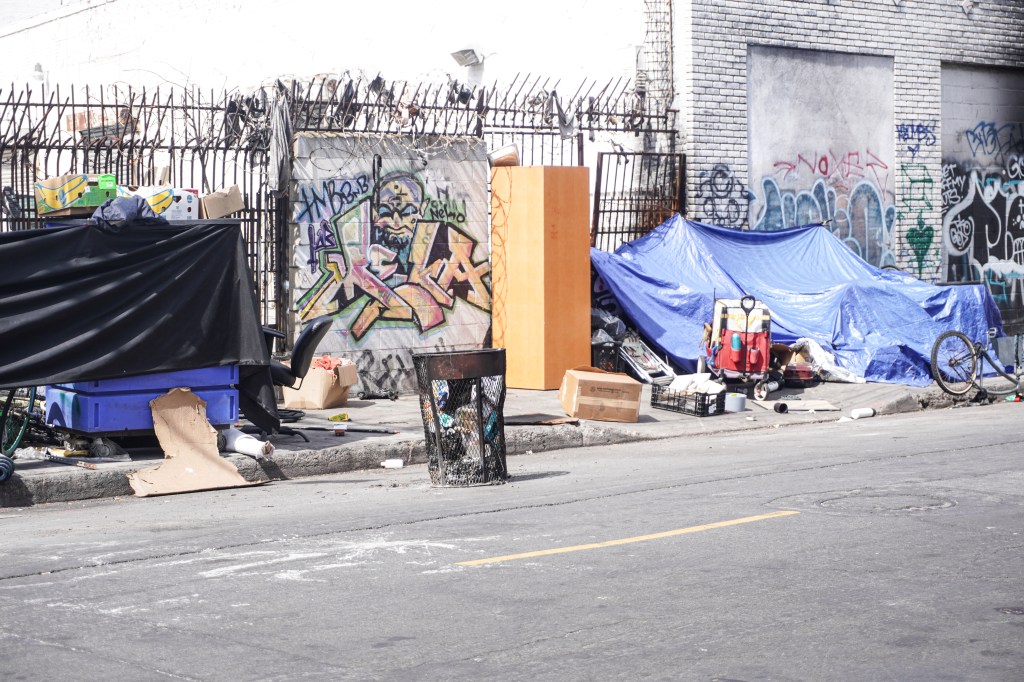
Kathy Jamieson, a Psychiatric Social Worker and Substance Abuse Counselor for the Los Angeles Department of Mental Health speaks on where we are at today with bringing resources to those who are homeless and struggling with mental health and substance abuse.
“I have always wanted to better understand and see things through a bigger lens, not always what we see in front of us—not what’s wrong with you or what happened to you. Overall, society has moved in this direction. The medical model still needs work.” Jamieson comments while explaining the approach to addressing the problem of access to treatment.


SAMHSA’S GHBI program, managed by CSAT, expands treatment and recovery services for homeless individuals with substance use disorders or co-occurring mental health conditions. Grants support treatment services, housing coordination, and enrollment in health and benefit programs for up to 5 years. Open to public and private nonprofits, the program aims to enhance support for homeless populations facing complex challenges.

As Los Angeles continues to grapple with the impacts of the opioid epidemic, organizations like CHS play a critical role in providing harm reduction services, distributing naloxone, and raising awareness about overdose prevention. Through a combination of outreach, education, and advocacy, these initiatives aim to reduce the devastating impact of substance abuse on the community.


The stigma surrounding mental health and substance abuse remains a barrier to care for many individuals experiencing homelessness. Initiatives like the HOME and Los Angeles Homeless Services Authority (LAHSA) are outreach programs that are crucial in engaging with vulnerable populations on the streets and connecting them to vital services. By destigmatizing diagnoses and offering support without judgment, these initiatives help individuals take the first step toward recovery.
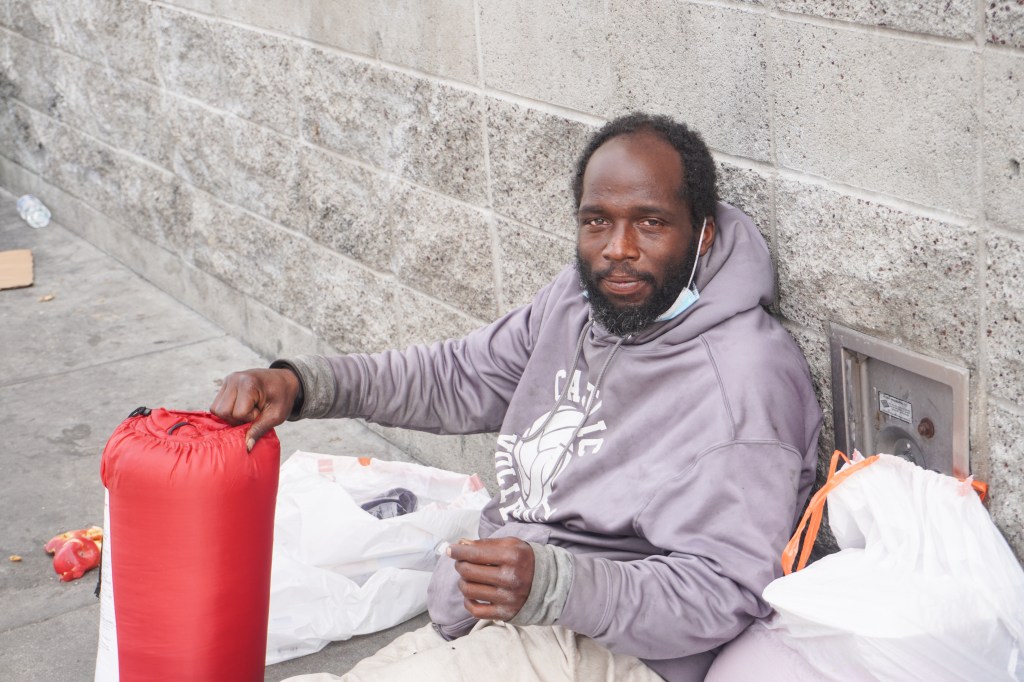
“Treatment is readily and easily available. There is much cross-collaboration. There is a lot of work behind the scenes that people don’t see. The beauty of Medi-Cal began in 2015, with programs now offering detox, residential, and outpatient treatment programs. These individuals who did not have access to continued care now have that,” says Jamieson.
DHCS began drug Medi-Cal in August of 2015, to bring treatment to individuals without the financial means to get the help that they need.

Collaborative efforts among treatment facilities, government agencies, and community organizations have paved the way for streamlined access to care for homeless individuals with complex needs. By establishing partnerships with entities such as the Department of Children and Family Services (DCFS), probation, and parole, treatment providers can deliver tailored services that address the unique challenges faced by this vulnerable population.
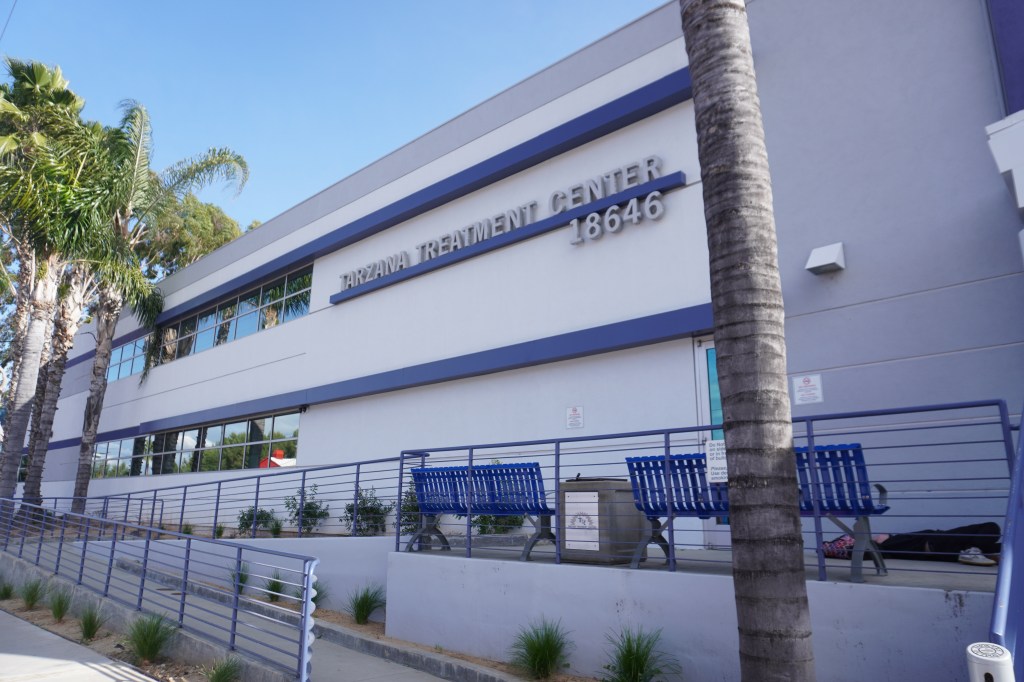
Institutions like Tarzana Treatment Centers serve as examples of integrated care, offering comprehensive services to address medical, psychiatric, and substance use disorders. By adopting a holistic approach that treats the whole person, Tarzana demonstrates the transformative power of a unified approach to healing and recovery.

Other programs, such as CRI-Help and Impact, also accept Medi-Cal, contributing to the collective effort to ensure that those in need receive the treatment and support they require.

As Jamieson puts it, “It’s kindness. How we help people is by developing a relationship with them, being kind to them, actively listening to them, and honoring their experience. It’s just being there. Keep showing up for people, and it’s amazing what can be accomplished.”
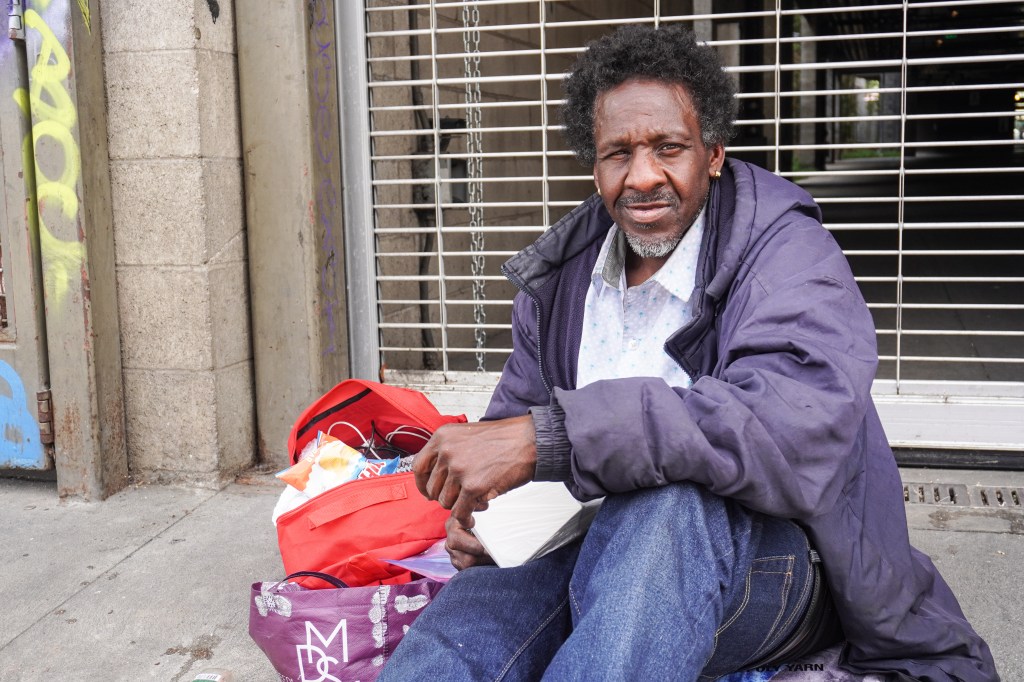
This spirit of compassion and consistency underlines the profound impact that genuine care and support can have on individuals navigating the challenges of homelessness and substance abuse.
 Rewrite the Narrative
Leave a comment