

LOS ANGELES, April 14, 2024 – In the ongoing battle against substance abuse and mental health disorders, a promising ally has emerged called TMS (Transcranial Magnetic Stimulation). This innovative therapy, which utilizes magnetic fields to stimulate specific regions of the brain, is gaining attention for its potential to alleviate symptoms of both substance abuse and mental health conditions simultaneously.
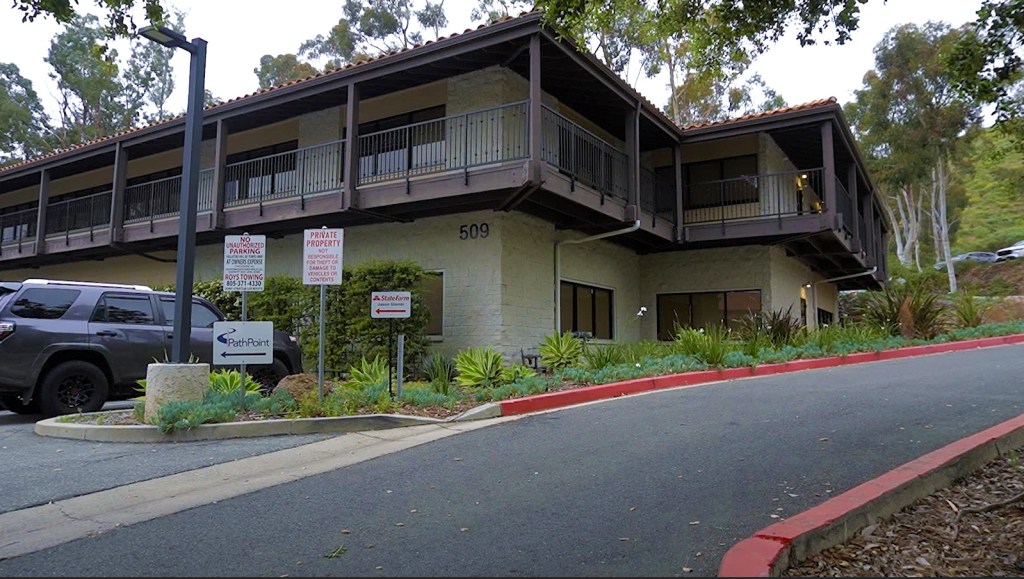
Lotus Recovery Services, situated in Thousand Oaks, CA, operates as an outpatient treatment facility specializing in substance abuse and mental health services. In March, the program introduced TMS to aid clients struggling with Substance Use Disorder (SUD) and mental health challenges.
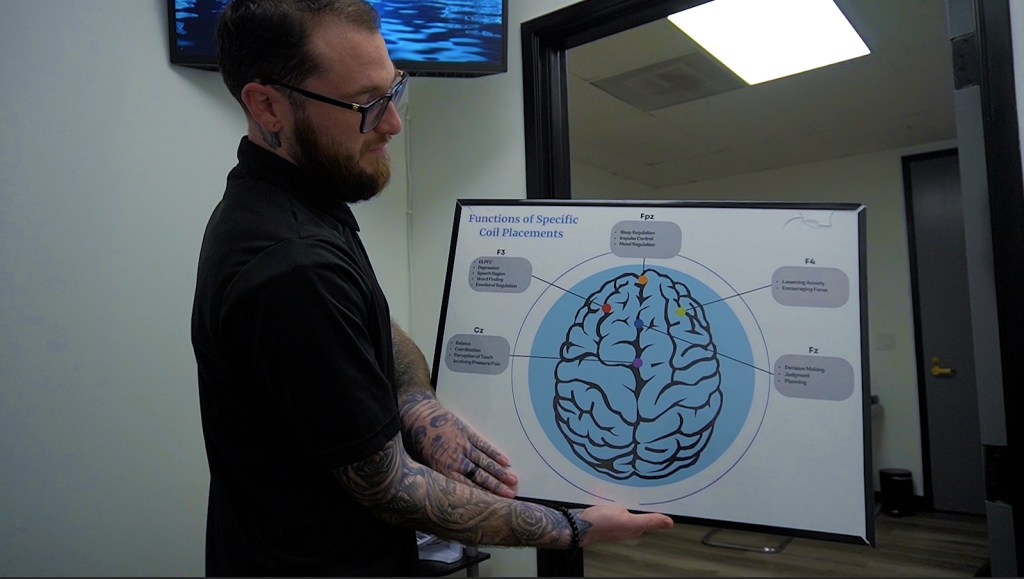
Noah Fischler is the Director of Business Development and Marketing and oversees the TMS department with Lotus Recovery Services.
“TMS is a noninvasive form of treatment that basically uses a magnet to work with someone’s neurotransmitters to really get inside their brain, to rewire their brain, to have less depression and anxiety, to be able to truly regulate their emotions, to manage their time, make better decisions, and do a wider range of things to improve their quality of life,” says Fischler.
According to an article published by the Mayo Clinic, TMS works by delivering focused magnetic pulses to targeted areas of the brain, stimulating neurons and influencing brain activity. By modulating neural circuits associated with mood regulation, reward processing, and executive function, TMS holds promise for treating a range of mental health disorders, including depression, anxiety, and post-traumatic stress disorder (PTSD).
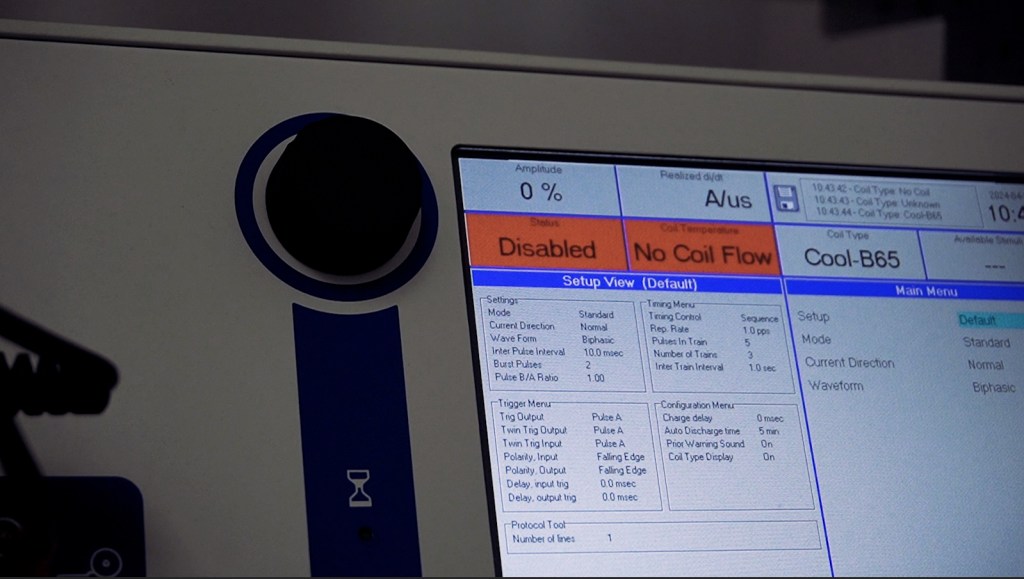
A recent article published by the National Institute on Alcohol Abuse and Alcoholism suggests that TMS may also be effective in addressing alcohol abuse by targeting the underlying neurobiology that contributes to addictive behaviors.
One of the most significant challenges in treating substance abuse is its frequent co-occurrence with mental health disorders. Individuals struggling with addiction often face underlying issues such as depression or anxiety, which can complicate recovery efforts.
“Within substance abuse, people, regardless of whether the substance came first or the mental came first, are always going to have mental health issues. So really being able to understand that substance abuse is not only substance abuse but that it’s a dual-diagnosis disease,” comments Fischler.
According to an article on the National Institute on Drug Abuse, there is a strong link between substance use disorder (SUD) and mental illness in adults. Of the 20.3 million adults with SUD, 37.9% also had mental illness. Similarly, among the 42.1 million adults with mental illness, 18.2% had SUD.
These statistics emphasize the intricate relationship between these conditions and stress the need for comprehensive healthcare and treatment approaches. TMS offers a unique advantage in this regard, as it can simultaneously address both substance abuse and co-occurring mental health conditions.
According to a study published in the National Library of Medicine, TMS is emerging as a promising, safe, and cost-effective treatment option for substance abuse disorders and mental health.
According to a recent presentation titled “The Science of Addiction,” published by the National Institute on Drug Abuse, it is emphasized that drug addiction impacts the entirety of the brain, leading to cognitive impairments and motivational deficits.
Addictive disorders can increase the focus on the substance of abuse and make people more sensitive to cues that trigger cravings. This can drive motivation to use the substance and increase the risk of relapse. Cravings can be a major risk factor for relapse, but cognitive and behavioral interventions can help mitigate them.
While TMS holds promise as a treatment for substance abuse and mental health disorders, further research is needed to optimize its efficacy and understand its long-term effects fully. Access to TMS therapy remains limited in some regions, highlighting the need for increased awareness and investment in this innovative treatment modality.
“We have a patient who is currently doing PrTMS that was on an anti-depressant for 6 or 7 years, and he is actually completely off on his anti-depressant. He is not depressed anymore, he is sleeping amazingly and always has a smile on his face. Overall it’s improving people’s lives,” reveals Fischler.
As scientists and clinicians continue to explore the potential of TMS, it offers a beacon of hope for individuals struggling with substance abuse and mental health disorders. By harnessing the power of magnetic stimulation, TMS is poised to revolutionize the landscape of addiction and mental health treatment, offering new pathways to recovery and improved quality of life.
 Rewrite the Narrative
Leave a comment