
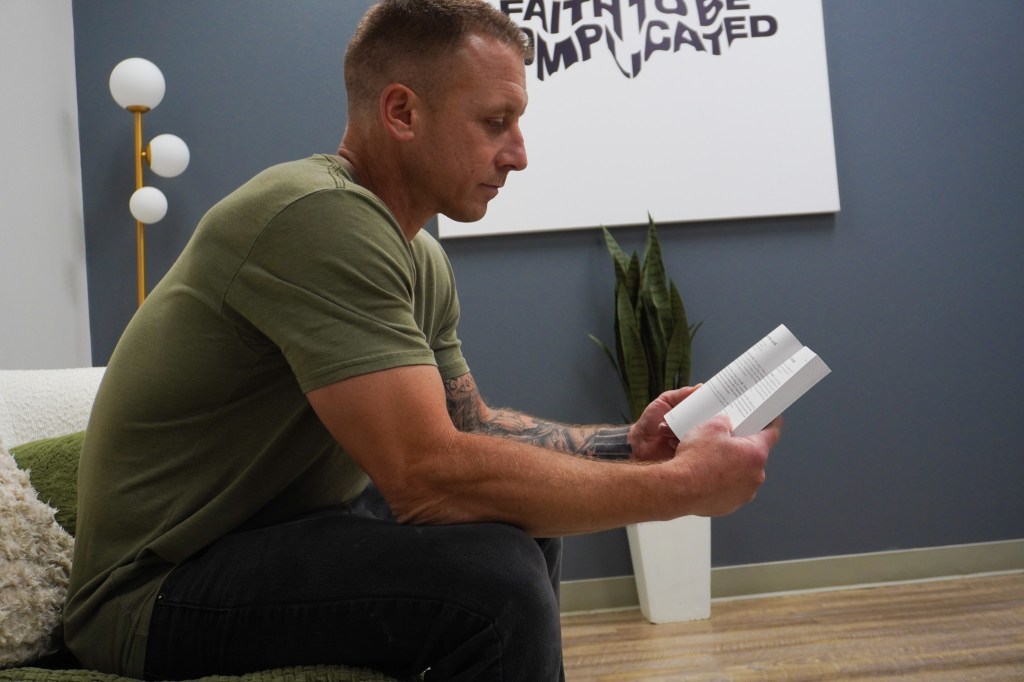
LOS ANGELES, May 12, 2024 – In a world where addiction, trauma, and life’s struggles can seem overwhelming, finding hope and healing can often feel like an insurmountable challenge. However, for Michael Moore, hope emerged in the form of the Life Recovery Group at Freedom Church, a program deeply rooted in Christian principles and 12-step recovery.
The article Finding Hope and Healing Through 12-Step Recovery explores how The Life Recovery Group is a testament to the transformative power of faith and community. It offers individuals struggling with addiction a path to recovery and renewal through a Biblical approach that incorporates the 12-step principles. Participants are guided on a journey toward sobriety, healing, and spiritual growth.

Moore, a dedicated leader and member of the Life Recovery Group, knows firsthand the impact this program can have on one’s life. As someone who has walked the difficult road of addiction, Moore credits this group as a cornerstone in his journey to sobriety and restoration.
Moore began attending Freedom Church a year and a half ago. His life took a turn for the better when he began his recovery journey and started attending the Life Recovery Group in January of this year.
“I am honored to be sponsoring Michael Moore in guiding him through a Christ-centered 12-step program. He is working on step 4 and also attends other 12-step meetings. It’s amazing to see his transformation over the past four months, during which he has maintained sobriety and rediscovered his faith in Christ,” says Westfall.
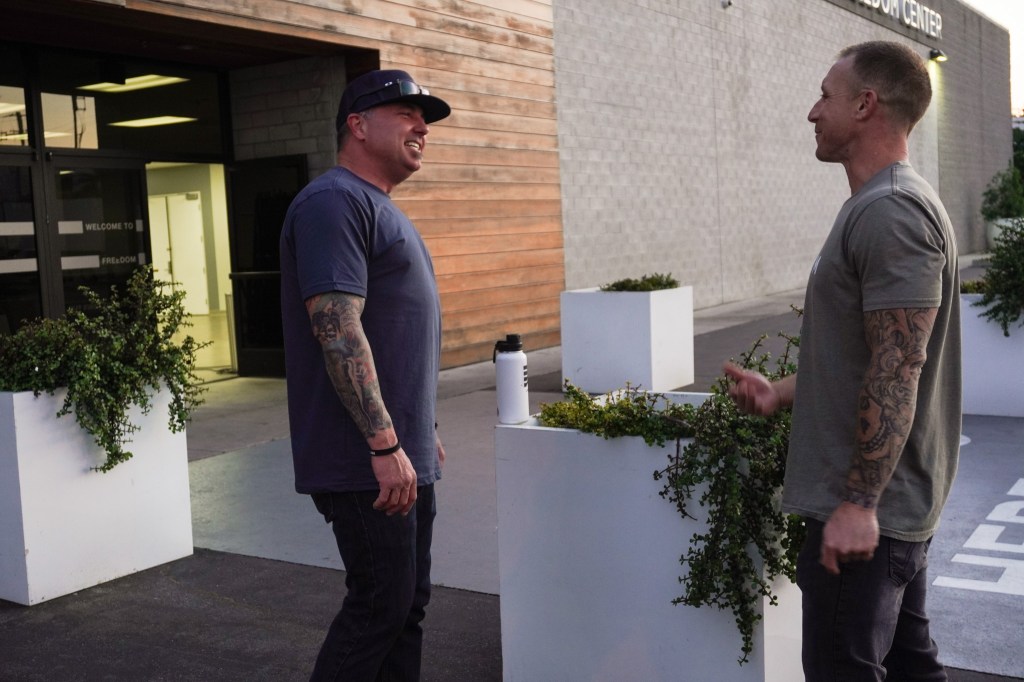
The Life Recovery Group at Freedom Church provides a safe and nurturing environment where individuals can share their struggles, receive support, and find encouragement from fellow members who understand their journey.
An article published in The New York Times reveals the experiences of addiction shared among individuals create vital connections that support recovery by building trust and confidence within a group setting.
“Serving others in the recovery program has given Michael a sense of responsibility and fulfillment, allowing him to use his experiences to help others overcome similar challenges,” reveals Westfall. “By investing in others, Michael has seen the impact of his ministry multiply, witnessing lives transformed and hope restored, further fueling his passion for serving and growing in Christ.”

In addition to fostering fellowship, The Life Recovery Group encourages participants to engage in service work – a cornerstone of the 12-step tradition. For Moore, giving back to others has been a source of fulfillment and purpose, providing him with a sense of meaning beyond his own struggles.
“Eric’s been helping me out a lot, building me so maybe someday I can be a leader here. We’re trying to get it to where we have a meeting every day, for people who can’t come on Fridays they can come on Thursdays or Saturdays or whenever. I am trying to build into that, and I look forward to starting my own thing at Freedom,” says Moore.

Drawing from the rich tradition of 12-step programs, the Life Recovery Group emphasizes the importance of surrendering to a higher power and seeking strength in faith. This spiritual foundation, combined with practical strategies for coping and self-improvement, empowers individuals to break free from the chains of addiction and live fulfilling purpose-driven lives.
“The church and recovery program has become a hub for Michael’s spiritual growth, service, and community, providing a foundation for his remarkable progress and enabling him to thrive in his walk with God,” says Westfall
The success of 12-step programs like the Life Recovery Group is not just anecdotal; it is backed by research. A study published in the National Library of Medicine emphasized the effectiveness of 12-step programs in promoting abstinence and psychosocial well-being. The study highlights the substantial role of both the supportive community and spiritual aspects that are inherent in these programs, which help in promoting recovery and sustaining long-term sobriety.

The Life Recovery Group has deepened Moore’s faith and spiritual connection. Through prayer and reflection on the 12-steps, Moore has found strength and guidance in his relationship with a higher power.
“So God is first for sure, The Life Recovery Program comes off as a little bit of everything. It’s the AA 12-steps, but it has more God in it,” explains Moore.
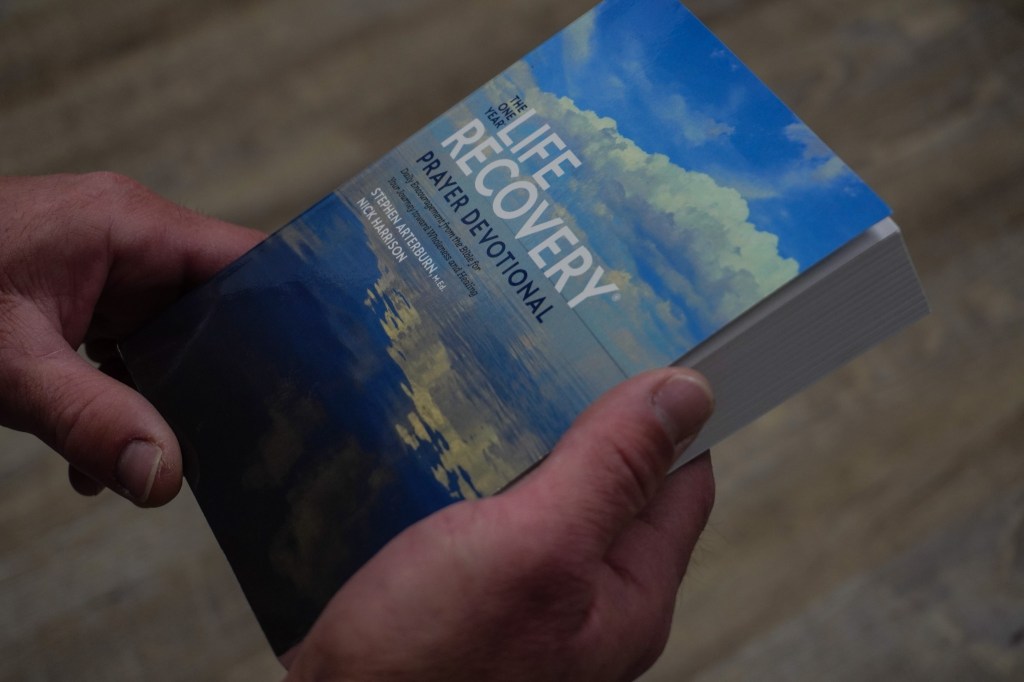
According to a study found in the National Library of Medicine, faith and spirituality play a crucial role in addiction prevention and recovery. Studies suggest that individuals who practice positive religious coping mechanisms have better recovery outcomes. In the United States, around 73% of addiction treatment programs incorporate spirituality-based elements, often drawing from 12-step programs like Alcoholics Anonymous. Over 84% of scientific studies demonstrate the positive impact of faith, with less than 2% suggesting any risk.
“Be open-minded,” says Moore. “Whatever you have seen, if you have had bad experiences with churches or God, I would say be open-minded and just keep coming back. If you are having struggles, come here. We love everybody, there’s a lot of love, and it works. God changed my life.”
As Moore continues his journey of healing and renewal through the Life Recovery Group, his story serves as a testament to the transformative power of faith, community, and the 12-step principles. In a world where hope can sometimes seem elusive, programs like the Life Recovery Group offer a ray of light, guiding individuals toward a brighter, sober future.
 Rewrite the Narrative
Leave a comment