
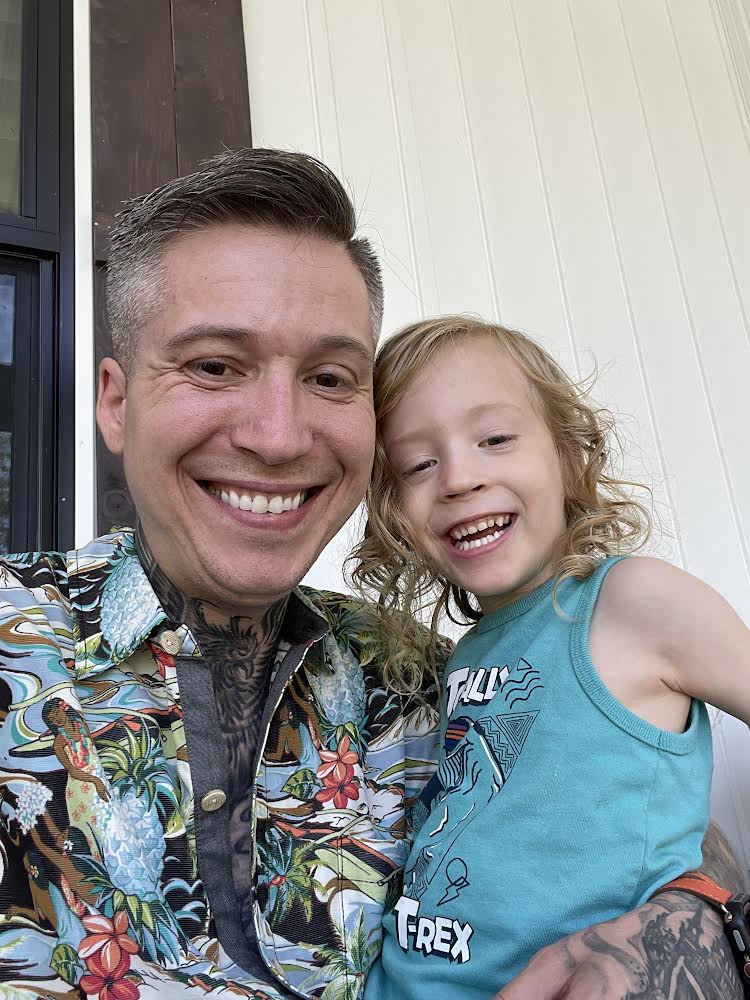
KANSAS CITY, May 21, 2024 – Transforming a life of addiction and crime into one of purpose and success is challenging but achievable. James Jones, now an admissions coordinator at La Ventana Treatment Programs, epitomizes the power of transformation. His journey from a life marred by addiction, crime, and incarceration to one of redemption and purpose is not only inspiring but a testament to the human spirit’s resilience.
A Troubled Beginning
Growing up in an upper-middle-class home, Jones exhibited behavior problems from a young age, diagnosed with ADHD and oppositional defiant disorder. “I was hyperactive, didn’t nap when all the other kids did, and was highly intelligent and highly manipulative at a very young age,” he reflects. These early challenges made him feel different, pushing him towards anti-social circles where he sought acceptance without judgment.
Jones’ rebellious streak led to his first run-in with the law as a teenager. “I stormed out of my parents’ house, broke a window of a vacant house, and got arrested for shoplifting,” he recalls. His parents, hoping to get him help, refused to bail him out, leading to his first institutionalization in a dual-diagnosis treatment center for behavioral issues and substance abuse.
A Descent into Darkness
Throughout high school and young adulthood, Jones gravitated towards counterculture groups, finding solace among those who accepted him at his worst. This lifestyle, however, came at a high cost. By 17 or 18, Jones was entrenched in the San Fernando Valley’s underbelly, living a life devoid of responsibility and accountability. “I thought that was freedom,” he says, though it soon manifested in criminal behaviors intertwined with his drug use.
Jones’ criminal activities led to multiple incarcerations. “I first got my prison number in 2008 at the age of 18,” he shares.
An article by The Sentencing Project highlights the ineffectiveness of incarceration in reducing delinquent behavior. The article reveals that many released youths are rearrested or convicted and reincarcerated. Confinement often results in higher rearrest and reincarceration rates compared to probation and community-based alternatives. Additionally, pre-trial detention and longer stays in custody increase the likelihood of further justice system involvement.
Prison became a place of predictability and comfort, contrasting sharply with the instability he felt in society. Despite numerous attempts to reintegrate, the cycle of addiction and crime persisted, culminating in repeated heartbreak for himself and his family.
When discussing reentry and second chances, recidivism is crucial, as many stories like James’ highlight the challenges of reintegrating into society after prison. A 2010 report by The United States Department of Justice found that nearly half (49.3%) of federal offenders released were rearrested within eight years. State prisoner recidivism rates average 68% for rearrests within three years, increasing to 79% at five years and 83% at nine years. Overall, over half of those released from incarceration will reoffend in some way.
The Turning Point
Jones reached a breaking point when he found himself living in a homeless shelter. “I was strung out on fentanyl, meth, and whatever else I could find,” he says. Desperation drove him to seek help through a medical detox program, followed by residential treatment and sober living at Stairway Recovery Homes in the West San Fernando Valley.
Jessi Brown, Director of Admissions at Stairway Recovery Homes, recalls James’s journey through treatment. “When I first spoke to James, he had been to numerous treatment centers, and his family had lost all hope for his recovery,” Jessi remembers. “James began actively participating in his recovery program and became part of a supportive community. He stayed clean, mentored other men, and eventually started working in treatment himself.”
There, Jones began the arduous process of rebuilding his life. “I did the work it took to change who I was,” he notes. Through therapy and introspection, he confronted the underlying issues that had driven his addiction. Gradually, he built self-esteem and confidence, enabling him to seek employment in addiction treatment.

Research from the National Institute on Drug Abuse emphasizes the importance of consistent, long-term treatment for drug addiction recovery. Effective treatment includes therapy and should last long enough to ensure lasting sobriety. Regular check-ins and encouragement improve outcomes, especially for those with drug-related legal issues. Severe cases may require at least three months of intensive treatment to break old habits and form new, healthy ones. Continued treatment helps address underlying issues and supports long-term management.
A New Purpose
Jones’ lived experience became his greatest asset. He now works as an admissions coordinator at La Ventana Treatment Programs, often the first point of contact for those seeking help. “My purpose is to carry the message to the addict and alcoholic that still needs help,” he says passionately. He uses his story to inspire hope, demonstrating that recovery is possible with hard work and determination.

A Life Reclaimed
Jones’ life today is a stark contrast to his past. He has been sober for 17 months and has built a life filled with fulfillment and purpose. “I’ve built a life that I was unwilling to surrender or give up,” he says. He is now a present father, son, and partner, living a life he once thought unattainable.
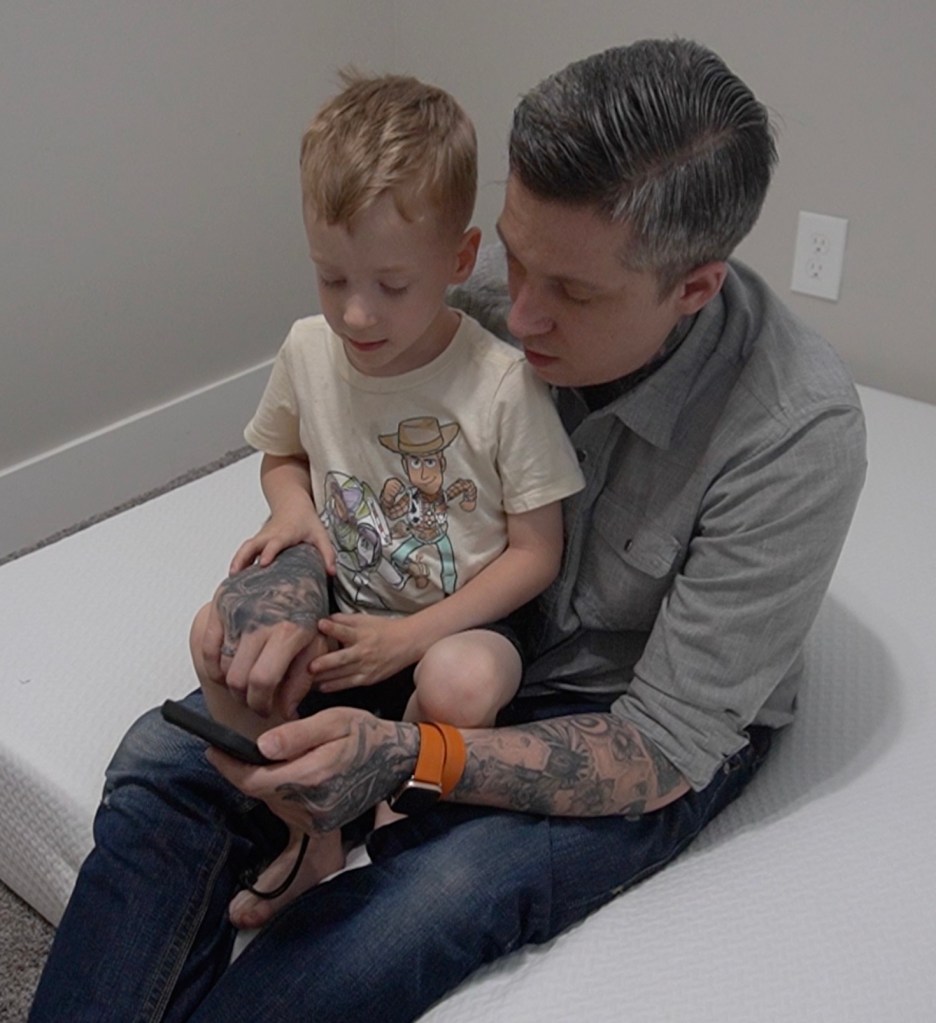
“James is a man of faith, honest, a man of integrity, his feet match his mouth, open-minded and courageous. He is of service any time he can be. He is kind and a good member of society now,” says Brown.
Jones’ work with other addicts not only helps them but also reinforces his commitment to sobriety. “On a day-to-day basis, I get to see that I would lose it all by working with other addicts as they come into recovery,” he notes. His journey is a powerful reminder that no matter how dark the past, there is always hope for a brighter future.

James Jones’ story is one of transformation and hope. From the depths of addiction and crime, he has emerged as a beacon of recovery, helping others find their way out of darkness. His journey underscores the power of resilience, the importance of support, and the possibility of a fulfilling life after addiction.
If you or someone you know is struggling with addiction, help is available. Visit SAMHSA at www.SAMHSA.gov or call 1-800-662-HELP (4357).
 Rewrite the Narrative
Leave a comment