

LOS ANGELES, April 28, 2024 – In the ongoing battle against addiction, emerging research highlights the pivotal role of exercise, structured routines, and comprehensive recovery programs in fostering long-term sobriety. Recent studies underscore the profound impact of physical activity on reducing substance use, improving mental health, and equipping individuals with the tools necessary for sustained recovery.
Brenden Clark, a recovering addict and Behavioral Health Technician at Novo Detox in Los Angeles, CA, emphasizes the importance of holistic wellness, intertwining physical activity with emotional and mental well-being.
“I believe that we are tripods, mental, physical, and spiritual, and I have to put balance in each of those things,” says Clark.
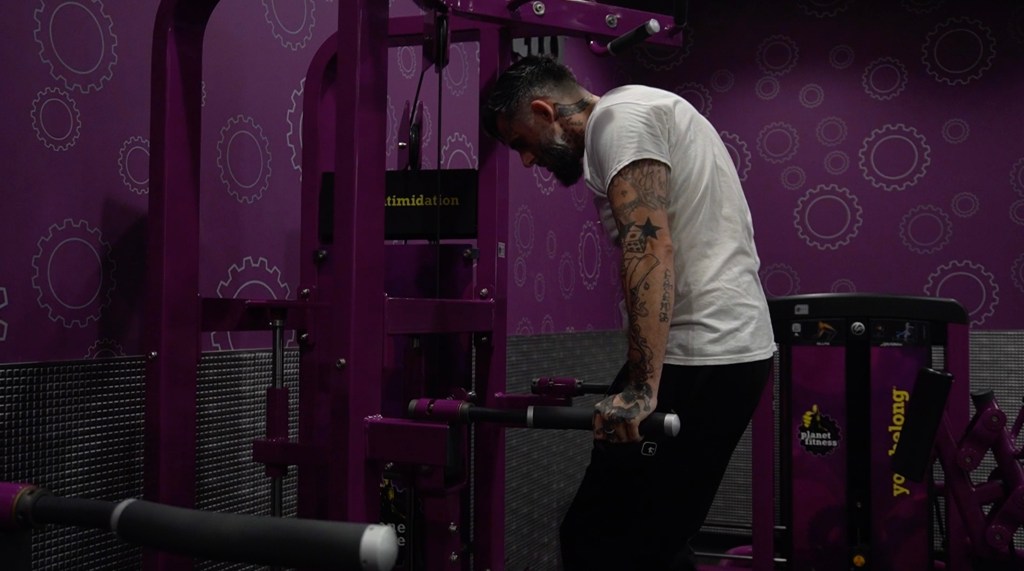
Recent studies echo Brenden’s sentiment, suggesting a profound connection between physical activity and reduced substance use. According to a CNN article titled “Adding exercise into treatment may reduce substance use, study shows,” research indicates that 75% of reviewed studies demonstrate a correlation between regular exercise and decreased substance use. Experts emphasize the multifaceted benefits of exercise, including enhanced self-esteem, reduced anxiety, and alleviation of depression—common challenges faced by those grappling with substance use disorder.
A study published in the National Library of Medicine reveals that exercise alters brain chemistry, diminishing the desire to seek out drugs at various stages of addiction. Scientists are now exploring the integration of exercise into treatment protocols as a promising avenue for aiding individuals in overcoming substance use disorders.
“I go to the gym a lot, I try to watch what I eat, and I take supplements, so I try to stay active. I try to spend at least an hour a day of physical activity. I look into a lot of things that benefit you health-wise, mentally, and physically. I watch what I put into my body,” comments Clark.
A separate study highlighted in the National Library of Medicine underscores the critical need for structured time and meaningful activities in early recovery. With statistics showing staggering relapse rates—ranging from 40% to 60% within the first year of recovery—experts stress the importance of addressing risk factors during this vulnerable period. Occupational therapists emerge as key allies in guiding individuals through the process of restructuring their time and cultivating purposeful activities to fill the void left by substance use.
Brenden’s regimen incorporates nutrition, gym sessions, and adherence to a consistent daily routine. Through these practices, he cultivates not only physical fitness but also discipline, resilience, and a sense of accomplishment—essential components of sustainable recovery.

“Diet to me is anything I put in myself. It’s what I’m seeing, the TV I’m watching, the music I’m listening to, and the people I’m around. I’m picking up energy from other people. Energy is contagious, and vibrations are contagious. I try to keep myself around positive things. Surround myself around positive people, and I try not to attract the negative. If I attract the negative, I’m putting negativity back out into the universe, and I don’t want to do that,” says Clark.
In the landscape of addiction treatment, the integration of exercise and structured routines represents a beacon of hope, offering individuals not just a path to sobriety but a roadmap to reclaiming their lives.
For individuals seeking support and resources on addiction recovery, organizations like the National Institute on Drug Abuse (NIDA) and the Substance Abuse and Mental Health Services Administration (SAMHSA) offer valuable information and assistance.

 Rewrite the Narrative
Leave a reply to Amanda Panda Cancel reply