

LOS ANGELES, May 5, 2024 – In the relentless battle against substance abuse and addiction, finding a sense of purpose and setting clear goals emerges as a vital beacon of hope for individuals seeking long-term recovery. Amidst the chaos and shattered dreams often left in the wake of addiction, cultivating a direction in life has been identified as a cornerstone in the journey towards sobriety, offering a pathway to lasting wellness and fulfillment.
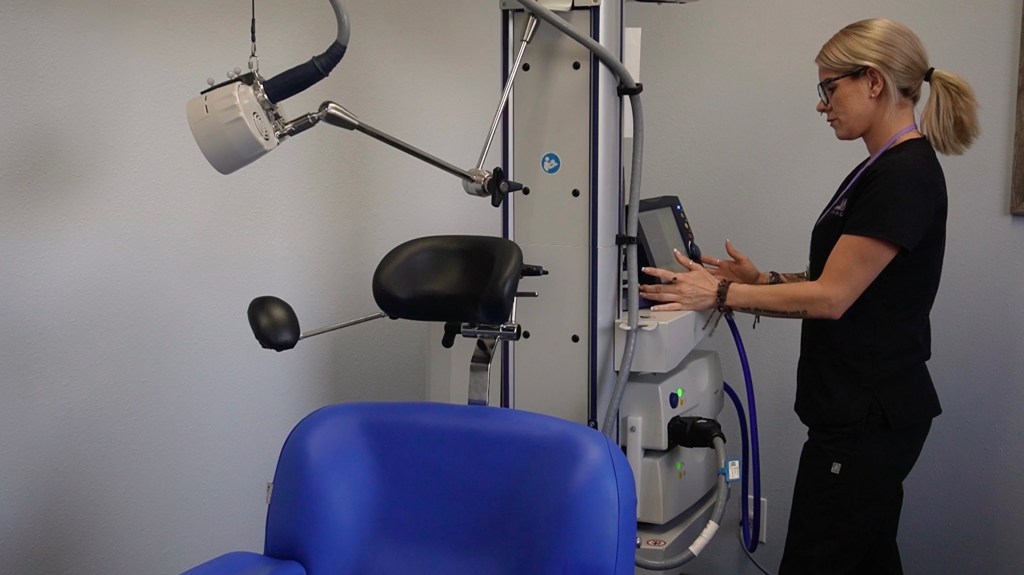
Amanda Lewis is a TMS Specialist at Iris Healing Retreat and a student at Pierce College. She has been sober for three and a half years.
Originally from Minnesota, Lewis found her way to Las Vegas, where her addiction spiraled out of control, leading her to live in the underground tunnels of Las Vegas.
“They run for hundreds of miles under the city, and there’s a lot of homeless people out there. I lived there for a couple of years until, I now call this a divine intervention, but my family and some people that were helping the homeless down there put together this intervention with A&E, and that is how I got clean,” describes Lewis.
Lewis embarked on her recovery journey on September 10, 2020, starting with a 90-day residential treatment program in Orange County. Afterward, she relocated to Los Angeles, where she resided in an all-women’s sober living facility at Stairway Recovery Homes while participating in an outpatient program.
“It was a Crazy experience but also the best experience I’ve ever had. I am so grateful I was given the opportunity because I didn’t think there was another way out for me at that point. I had dug myself into a pretty deep hole, and I really needed that help,” Lewis recalls.
A recent study by the National Library of Medicine has uncovered a powerful weapon in the fight against addiction– having a sense of purpose. Researchers found that individuals with a clear direction in life are more likely to stay sober in the long run.
The study looked at over 3,500 middle-aged adults in the United States. It found that those who felt a strong sense of purpose were much less likely to misuse drugs or medications nearly ten years later. This suggests that finding a purpose could be key to preventing substance abuse down the road.
Lewis started working as a house manager at Stairway Recovery Homes, where she took on responsibilities and learned how to rebuild her life.
“I started as a house manager for the same sober living I was at. That was when I started learning how to be an adult again and be responsible. Then I came to Iris Healing, where I have been for the past two years,” says Lewis.
An article from Psychology Today explains how setting goals and staying positive is really important in staying sober. Just being scared of relapse isn’t enough to fight addiction. People need to actively work towards new goals as they move forward in their recovery journey and aim for a better future.
Lewis is now working to earn her degree in addiction studies and wants to work in social work someday.
“It’s something I always dreamed of doing but never really thought I was capable of achieving. I didn’t think I was smart enough or good enough. So when I started that journey, that was a really big deal for me, and it’s been such an incredible journey to see after making it to the other side of fear.” says Lewis.

Recovery isn’t just about staying away from drugs—it’s about building a fulfilling future. The article in Psychology Today reveals by setting and striving for goals, individuals can not only change their behavior but also rewire their brains to crave healthier alternatives. This shift from mere survival to flourishing is where true sobriety lies.
“Always just putting one foot in front of the other and having a sense of gratitude every day, even in times of adversity, because I can look back and remember a time in life when, you know, I have quality problems today, the things that I used to wish for back then, I now have. I used to wish for bills, a car, a home, things like that and I have those things now. So remembering that brings me peace. Granted it’s not always fun paying bills, but I get to do that now,” says Lewis.
Self-esteem, goals, and purpose are crucial for long-term recovery. By boosting self-worth and setting clear goals, individuals pave the way for a meaningful, addiction-free life. Finding purpose gives direction and passion, leading to fulfillment and freedom from addiction.
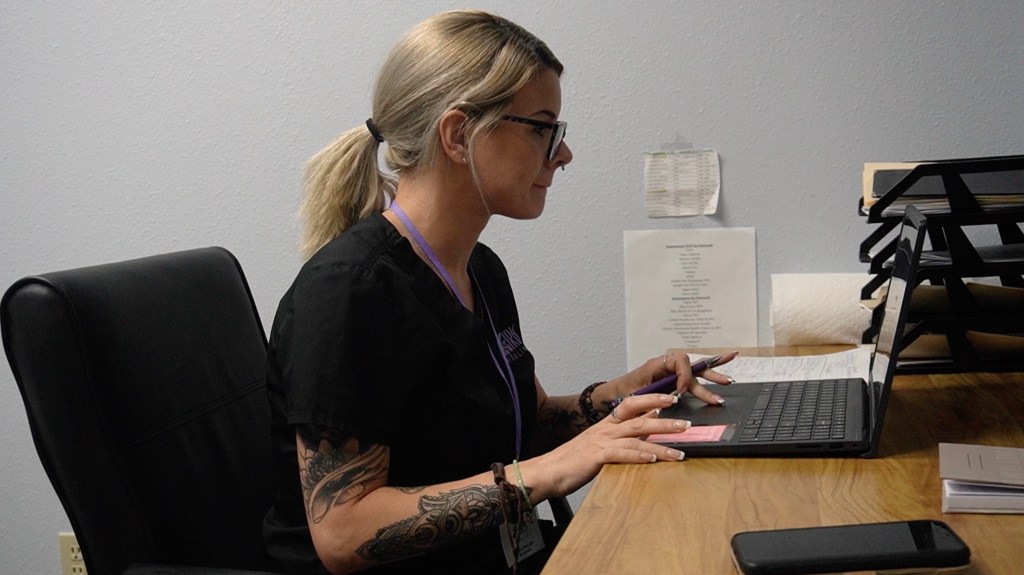
“I am worth, you know, living. And I am worth it,” states Lewis.
Studies conducted by institutions like the National Library of Medicine and insights from Psychology Today offer hope in the ongoing fight against addiction. By recognizing the importance of purpose and supporting those in recovery, communities can make lasting change and help more people find their way to a better life.


Leave a Reply